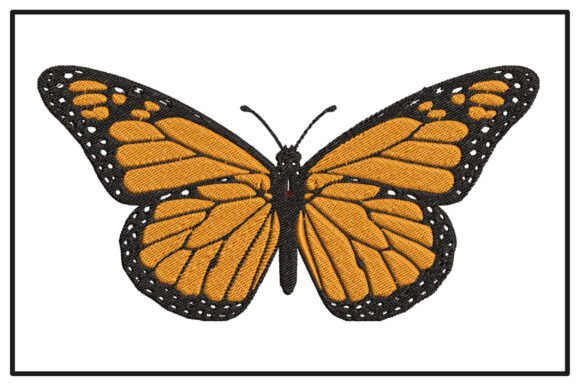
Realistic Monarch Butterfly Embroidery
First Impressions: A Bold, Nature-Inspired Statement
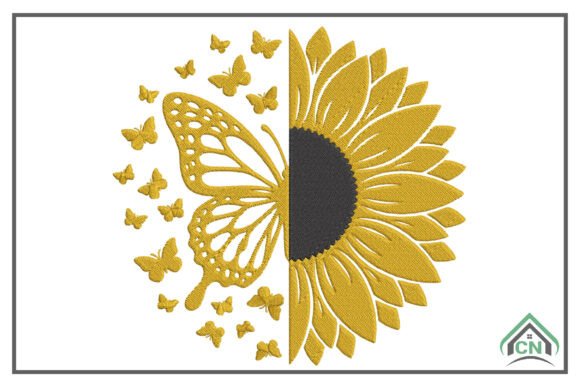
The Realistic Monarch Butterfly Embroidery immediately catches the eye with its promise of vivid detail and natural beauty. As a professional embroidery designer, I appreciate how this design leans into the growing demand for wildlife and nature-themed handmade products. It feels bold and decorative, with a premium edge that suggests quality craftsmanship. It’s not a minimalist or soft design—it’s meant to stand out, which makes it ideal for craft fair shoppers who are drawn to standout handmade items.
Best Products for Showcasing This Design
This butterfly embroidery shines brightest on products where the design can be the focal point. Here’s where I’d feature it in my booth:
- Tote bags: A large front panel placement makes a strong visual impact, especially with the rich colors of the butterfly contrasting against natural canvas or dark fabric.
- Aprons: Centered on the chest or as a corner accent on the pocket, it adds a decorative and nature-inspired touch.
- Tea towels: Placed near the corner or hem, it adds charm without overwhelming the fabric.
- Embroidered patches: This is a smart batch production idea—use the butterfly as a collectible-style patch for clothing, bags, or accessories.
- Pillow covers: Centered or placed slightly off-center, it elevates the look of a simple handmade pillow.
I’d avoid using it too small on curved surfaces like baseball caps unless I’m confident in the stitch density and clarity. It works better as a larger accent than a tiny detail.
How It Performs in Real Craft Fair Settings
At a busy craft fair, customers scan products quickly. The Realistic Monarch Butterfly Embroidery has strong visual appeal—it’s detailed enough to draw attention, but not so intricate that it becomes confusing at a glance. It reads well from a few feet away, especially on tote bags and aprons. That’s a big win for booth traffic.
For online sellers, particularly Etsy sellers and digital designers, this embroidery design photographs beautifully. The vibrant colors and realistic texture translate well in product photos, especially when paired with clean, natural backgrounds. It also lends itself well to printable mockups, which are essential for building an online presence without physical samples for every product variation.
Production Practicality: What to Watch For
As with any machine embroidery design, the devil is in the details. Here’s what I look for before committing to production:
- Stitch density: Check for overly dense areas that might pucker delicate fabrics or be too stiff for soft items like tea towels.
- Thread contrast: Make sure the colors pop on your chosen fabric. Test on light and dark materials to see how the design holds up.
- Small details: Look for fine lines or tiny wingspans that may not stitch cleanly on textured or thick materials like towels or denim.
- Hoop size: Confirm that your embroidery machine can accommodate the design without stretching or distortion, especially for larger placements.
- Stabilizer use: Use a quality tear-away or cut-away stabilizer to prevent shifting or distortion, especially on stretchy or soft fabrics.
This design likely requires a bit more attention during setup than simpler motifs, but the payoff in perceived value and customer interest makes it worth the effort.
Where to Use It for Maximum Sales Impact
If you’re curating a booth for a weekend craft fair or updating your small shop product lineup, this butterfly design can serve multiple roles:
- Booth samples: Use it on a couple of high-visibility items like a large tote or apron to draw people into your display.
- Gift sets: Pair embroidered tea towels with matching pouches or patches for a cohesive, giftable set.
- Commercial embroidery: Offer custom versions on boutique items like baby blankets or boutique pillow covers.
- Digital embroidery file sales: If you're a digital seller, this type of design is a hit for crafters who want to create nature-themed handmade gifts.
It also works well as a seasonal design—especially for spring and summer markets—but its realistic style gives it year-round appeal.
Design Limitations and How to Work Around Them
While the Realistic Monarch Butterfly Embroidery is visually strong, it does come with a few caveats:
- Detail loss at small sizes: If you reduce the design too much, the fine wing textures and color gradients may blur together.
- Textured fabric challenges: On thick or looped towels, the design may not stitch as crisply—consider a smoother fabric alternative or a scaled-down version.
- Dark fabric contrast: Some thread colors may not pop as well on black or navy. Always test on your intended fabric before production.
- Curved surfaces: Caps and curved pouches can distort the image unless the design is adjusted or placed carefully.
These aren’t dealbreakers, but they do require thoughtful planning and a few test runs before full-scale production.
Final Thoughts: A Strong Addition to Your Embroidery Lineup
Overall, the Realistic Monarch Butterfly Embroidery is a smart investment for any handmade product seller, boutique maker, or digital embroidery file vendor. It brings a sense of nature and elegance to your booth or online shop, and it’s versatile enough to work across a range of product types.
Before launching it into your product line, always:
- Test the design on scrap fabric.
- Check thread contrast and spacing.
- Confirm hoop size and stitch density.
- Create at least one real mockup.
- Compare fabric color options.
- Review commercial licensing terms if you're selling finished products.
With a little prep, this butterfly can become a bestseller in your lineup—whether you're selling at a craft fair, on Etsy, or through digital design platforms.