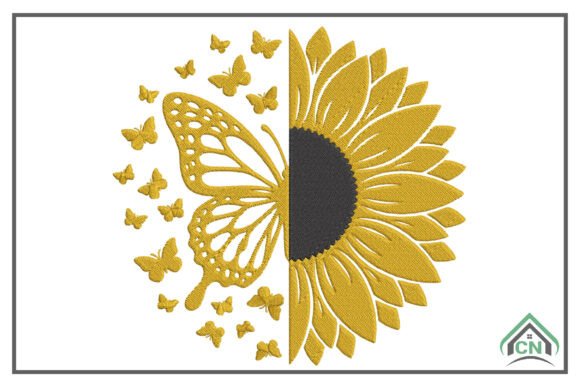
Butterfly Sunflower Embroidery Design Review
As a professional digitizer and product reviewer, I approach every new machine embroidery design with a critical eye toward production viability. It is not enough for a graphic to look beautiful on a screen; it must translate into thread without puckering, breaking needles, or losing detail after washing. When evaluating the Butterfly Sunflower Embroidery Design, my primary focus is how this nature-inspired motif performs across different substrates and whether it holds up to the rigorous demands of a craft business or personal gifting.
First Impressions and Visual Hierarchy
The immediate appeal of this design lies in its balanced composition. In the category of Single Flowers, sunflowers can sometimes appear heavy or blocky due to the dense center and broad petals. However, the addition of the butterfly introduces necessary negative space and movement. From a designer’s perspective, this breaks up large fields of fill stitch, reducing the overall stitch density and making the design safer for lighter fabrics. The visual personality is undeniably cheerful and organic, suggesting a versatile aesthetic that bridges rustic farmhouse styles and modern botanical trends. For an Etsy seller or boutique owner, this duality increases the potential customer base, as the design feels appropriate for both vintage-inspired goods and contemporary custom apparel.
Real-World Application: The Canvas Tote Test
To truly understand the utility of this embroidery file, I mentally placed it in a specific production scenario: creating a line of summer market tote bags for a local craft fair. Totes are a staple handmade product, but they present unique challenges due to the coarse weave of canvas and the lack of stretch. In this context, the Butterfly Sunflower Embroidery Design serves as an excellent centerpiece. The floral elements provide enough coverage to justify the price point of a finished bag, while the butterfly adds a delicate touch that prevents the design from looking like a stiff patch.
When stitching this onto unlined canvas, I would anticipate using a medium-weight cutaway stabilizer to prevent the fabric from pulling inward during the satin stitch outlines. The design’s layout suggests it would sit perfectly centered on a standard 15x15 inch tote, leaving adequate margin for seaming. For commercial embroidery purposes, this design offers high perceived value. Customers associate detailed botanical work with quality craftsmanship. If you are selling these as personalized gifts, adding a monogram below the stem in a simple serif font would complement the organic curves of the flower without competing for attention.
Fabric Compatibility and Stabilization Strategy
While the design is versatile, it requires careful consideration regarding fabric texture and weight. Not all projects are created equal, and understanding where this design thrives versus where it struggles is vital for avoiding wasted materials.
- Sweatshirt Embroidery: This is an ideal application. Fleece and French terry fabrics have enough loft to support the stitch count typically associated with floral designs. Use a fusible mesh stabilizer to keep the back soft against the skin. The butterfly details will pop nicely against the matte texture of the sweatshirt.
- T-Shirt and Lightweight Knits: Proceed with caution. If the Butterfly Sunflower Embroidery Design contains large solid fill areas, it may cause distortion on thin jersey knits. Always test on scrap fabric first. Consider using a water-soluble topping to prevent stitches from sinking into the knit loops.
- Baby Embroidery: For onesies or bibs, verify the physical size before purchasing. Large floral designs can be too heavy for infant garments. If resizing down significantly, ensure the butterfly antennae and petal tips do not become lost or jagged. Soft backing is non-negotiable here.
- Tea Towels and Linens: These are forgiving substrates. The design will likely stitch out beautifully on linen blends. However, because tea towels undergo frequent hot washing, ensure your top and bobbin thread tension is balanced to prevent unraveling over time.
Technical Considerations for Professional Results
A beautiful digital embroidery file is only as good as the operator's preparation. Before committing this design to a final finished product, there are several technical checkpoints every maker should observe. First, confirm the hoop size requirements. Never attempt to squeeze a design into a hoop that leaves less than 1/4 inch of clearance; this leads to registration errors and frame marks. Second, review the color chart. While the product description highlights bright, nature-inspired tones, you should evaluate if the default thread colors match your brand palette or the specific garment dye lot. Variegated threads can add stunning depth to the sunflower petals, but they can also make the butterfly look muddy if not tested first.
For those creating printable mockups or listing photos, remember that digital previews often lack the texture of real thread. Always photograph a physical sample for your shop listings to build buyer trust. Showing the reverse side of the embroidery also demonstrates professionalism and assures customers of clean finishing. If you plan to use this as an applique design, verify that the placement lines and tack-down stitches are clearly defined in the file structure. Misaligned applique is the fastest way to ruin a project's perceived value.
Commercial Viability and Licensing Awareness
For creative entrepreneurs and small shop owners, the Butterfly Sunflower Embroidery Design represents a strong asset for seasonal inventory. It transitions seamlessly from spring garden themes to late-summer harvest aesthetics. However, practical business judgment dictates that you verify licensing terms before mass production. Ensure your purchase includes commercial rights for selling finished items. Some licenses restrict the number of units or prohibit the resale of the digital file itself. Clarifying this upfront protects your business from legal issues and platform takedowns.
Furthermore, consider the scalability of this design for your product line. Does it pair well with other assets in your library? A cohesive collection of single flowers and insects creates a stronger brand identity than disparate, unrelated designs. Using this sunflower motif as an anchor piece allows you to develop matching accessories, such as coordinating pouches, caps, or nursery decor. Consistency in style helps customers recognize your work instantly, whether they are browsing a craft fair booth or scrolling through social media.
Final Verdict for Makers and Sellers
The Butterfly Sunflower Embroidery Design earns its place in a professional digitizer’s toolkit through its combination of aesthetic warmth and structural balance. It avoids the common pitfalls of overly dense floral patterns by incorporating the airy element of the butterfly, making it suitable for a wider range of fabrics than typical sunflower motifs. Whether you are embellishing a denim jacket, creating a holiday gift set, or stocking your Etsy shop with best-selling botanicals, this design offers reliable performance when paired with proper stabilization techniques.
Success with this design ultimately depends on respecting the relationship between thread, fabric, and stabilizer. Do not skip the test stitch-out, especially when working with new materials or resizing the pattern. By approaching this embroidery project with technical diligence and creative intention, you transform a simple digital file into a tangible product that resonates with customers and showcases your dedication to quality craftsmanship. Always check the specific file attributes provided by the digitizer regarding stitch count and dimensions to ensure compatibility with your machine and your intended application.