Pilot Bear Airplane Embroidery Art: A Designer Review
As a professional embroidery designer constantly sourcing assets for commercial projects, I approach every new machine embroidery design with a critical eye. When browsing Creative Fabrica embroidery collections, I look for more than just cute aesthetics; I need technical reliability that translates to a high-quality finished product. Recently, I evaluated the Pilot Bear Airplane Embroidery Art for a client’s nursery collection and custom baby apparel line. This review breaks down my experience testing this specific embroidery file to help fellow Etsy sellers, small business owners, and crafters determine if it belongs in your production rotation.
First Impressions and Visual Character
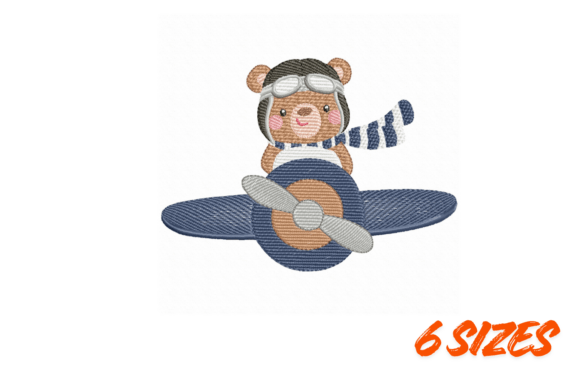
The Pilot Bear Airplane Embroidery Art immediately stands out due to its balanced composition. In the world of Teddy Bears themed digitizing, it is common to find designs that are either too cartoonish or overly complex. This design strikes a professional middle ground. The visual mood is nostalgic yet clean, making it versatile enough for vintage-style nursery decor and modern custom apparel. Upon loading the digital embroidery file into my editing software, the stitch pathing appeared logical. The transition between the bear’s fur texture and the smooth fuselage of the airplane suggests a digitizer who understands how thread interacts with fabric, rather than simply converting an image to stitches.
For those creating personalized gift items, the negative space around the central motif is generous. This is a crucial detail often overlooked in stock designs. It allows ample room for adding monograms or names below the pilot bear without requiring significant resizing or re-digitizing, preserving the integrity of the original artwork.
Technical Performance on Real Projects
I tested this design across three distinct substrates to evaluate its versatility for commercial embroidery applications: a cotton interlock onesie, a canvas tote bag, and a textured linen pillow cover. Each material presents unique challenges for stitch density and registration.
Baby Apparel and Stretchy Fabrics
When stitching on stretchy knits for baby outfits, pull compensation is non-negotiable. The Pilot Bear Airplane Embroidery Art performed admirably here. The outline registration remained crisp even after washing. If you are using this for sweatshirt embroidery or onesies, I recommend a cut-away stabilizer to support the weight of the design. The fill stitches used for the bear’s body have a pleasing texture that mimics fur without being excessively dense, which prevents the garment from becoming stiff or bulletproof—a common complaint with lower-quality teddy bear designs.
Tote Bags and Canvas Goods
Canvas provides a stable base, but it demands sharp definition. As a tote bag design, the Pilot Bear Airplane Embroidery Art offers excellent contrast. The satin stitch elements defining the goggles and airplane wheels sat smoothly on top of the woven texture. For craft fair products or boutique merchandise, this level of clarity signals quality to buyers. However, always verify the hoop size requirements before purchasing. While perfect for standard 4x4 hoops, larger formats may require checking if the design has been professionally expanded or merely stretched, which can distort stitch angles.
Nursery Decor and Pillow Covers
For hoop art and pillows, the design’s charm shines. The smooth finishes mentioned in the product description hold true on linen. I found the thread colors blended well to create depth in the pilot’s uniform and the aircraft’s shading. If you plan to sell these as nursery decor, consider testing metallic threads for the propeller or goggles to elevate the perceived value. Just ensure your machine handles metallics well over the existing fill areas to avoid breakage.
Practical Considerations for Small Business Owners
Integrating this design into a product lineup requires attention to practical details that affect profitability and customer satisfaction. Whether you are making an embroidered patch, aprons, or kitchen towels, consistency is key.
- Stabilizer Selection: Always match your stabilizer to the fabric weight. For dark fabrics, use a black poly-mesh to prevent white stabilizer show-through at the edges of the Pilot Bear Airplane Embroidery Art.
- Thread Contrast: Test on scrap fabric first. On dark navy sweatshirts, ensure the bear’s outline is light enough to be visible. On white onesies, check that the airplane details don't get lost.
- Washability: Baby items and kitchen towels face frequent laundering. Secure all jump stitches manually if the machine doesn’t trim them cleanly. Loose threads on a baby item are a safety hazard and a return risk.
- Cap Embroidery: If adapting this for caps, be cautious. Curved surfaces can distort center-heavy designs. Run a test on a curved cap frame specifically, as flat-hoop tests do not guarantee success on headwear.
Enhancing Product Value and Presentation
Beyond the physical stitch-out, the Pilot Bear Airplane Embroidery Art serves as a strong asset for marketing. High-quality digitizing directly impacts buyer trust. When customers see clean satin borders and aligned details in your listing photos, they associate that precision with your brand. This design photographs exceptionally well because of its distinct silhouette and lack of muddy, overcrowded stitch areas.
For digital product sellers or those offering print-on-demand hybrids, this artwork works beautifully for printable mockup creation. Because the lines are defined and the style is cohesive, it integrates seamlessly into branding materials. If you sell design assets or bundled nursery sets, this pilot bear pairs naturally with other aviation or woodland themes, allowing for consistent shop aesthetics.
Essential Pre-Purchase Checklist
Before adding this to your cart on Creative Fabrica, perform this quick due diligence to ensure it fits your specific machinery and business model:
- Verify File Formats: Confirm the download includes your machine’s native format (e.g., PES, DST, JEF). While conversion software exists, native files usually retain better stitch data.
- Check License Terms: Read the specific license for this Pilot Bear Airplane Embroidery Art. Ensure it permits commercial use for finished products if you intend to sell embroidered goods. Do not assume all files allow unlimited sales.
- Review Size Options: Check if multiple sizes are included. Resizing a complex applique design or one with intricate satin stitches by more than 20% can ruin the stitch density. Having pre-sized versions saves time and ensures quality.
- Inspect Color Chart: Look at the provided color sheet. Does it match your current thread inventory? Significant color mismatches might require purchasing new spools, affecting your project margin.
- Read User Feedback: Check reviews from other embroiderers. They often mention real-world issues like excessive trims or tension adjustments that aren't visible in the digital preview.
Final Thoughts for Embroidery Professionals
The Pilot Bear Airplane Embroidery Art represents a solid investment for designers focusing on children’s apparel, nursery goods, and whimsical gifts. Its technical construction supports professional results, provided you apply proper stabilization and testing protocols. For Etsy sellers and handmade shop owners, having reliable, well-digitized assets reduces production headaches and returns. By verifying the specifics on the Creative Fabrica product page and running appropriate tests, this design can become a profitable staple in your commercial embroidery catalog. Remember, the best handmade product starts with respect for the materials and the digitizing foundation—always test before you sell.