Dog Cat Machine Embroidery File Review
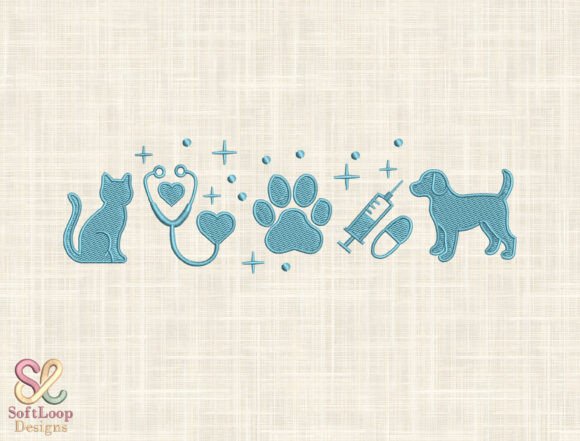
As a professional embroidery designer specializing in commercial branding and merchandise, I approach every new machine embroidery design with a critical eye toward production viability. When evaluating the Dog Cat Machine Embroidery File for veterinary clinics, pet boutiques, or animal care professionals, my primary concern is not just aesthetic appeal but functional performance on branded goods. Based on the product description highlighting "professional and heartwarming Veterinary Pet Care Icons" within a "whimsical horizontal design," this embroidery file presents a unique opportunity to bridge the gap between clinical trust and compassionate care. However, translating digital art into a tangible finished product requires understanding how these specific iconographic elements behave under the needle.
Visual Personality and Brand Identity Alignment
The first impression of this design suggests a balance that is crucial for the animal health sector. The combination of medical symbolism with charming pet imagery targets a specific emotional response from clients. For a small business owner, this brand identity asset communicates competence without sterility. In my experience reviewing design assets for veterinary practices, designs that are too clinical can feel cold, while those that are too cartoonish may undermine professional authority. This Dog Cat Machine Embroidery File appears to navigate that middle ground effectively.
For an Etsy seller or handmade brand focusing on pet care accessories, this whimsical yet professional tone adds significant perceived value. It transforms a standard utility item into a conversation piece. Whether used for a mobile grooming service or a stationary clinic, the horizontal orientation mentioned in the description implies a layout ideal for yoke placements, pocket crests, or above-bust branding. This spatial arrangement is essential for maintaining readability and visual hierarchy on custom apparel.
Performance Across Commercial Merchandise Applications
When integrating this digital embroidery file into a production lineup, versatility is key. Here is how I evaluate its potential across various business applications:
- Staff Uniforms and Scrubs: The horizontal format is excellent for left-chest placement on scrub tops or lab coats. The icons serve as immediate visual identifiers of role and specialty, fostering patient trust.
- Apron Embroidery: For veterinary technicians or pet spa staff, this design works beautifully centered on bib aprons. The whimsical nature softens the utilitarian look of workwear while maintaining professionalism.
- Tote Bag Design: Horizontal designs often struggle on vertical tote bags unless placed correctly. This file would be best utilized across the top third of a canvas tote or as a centered chest-height graphic, making it perfect for client welcome kits or retail merchandise.
- Embroidered Patch Production: Given the icon-based composition, this design is a strong candidate for merrowed-edge patches. Patches allow businesses to apply branding to items that cannot be hooped directly, such as heavy jackets or caps.
- Cap Embroidery: Caution is required here. While the horizontal shape fits the curved front panel of a cap, the "whimsical" details must be large enough to register clearly on structured fabric.
Technical Considerations for Production Stability
A beautiful screen image does not always guarantee a clean stitch-out. As an experienced digitizer, I must highlight where the Dog Cat Machine Embroidery File demands careful attention during production. The mention of "icons" suggests distinct shapes and potentially fine lines. In commercial embroidery, icon-heavy designs can suffer from registration issues if the stitch density is too high or the pull compensation is inadequate.
Fabric Texture and Stabilizer Selection: Veterinary environments require durable, washable fabrics like polyester blends or cotton twill. These materials have varying degrees of stretch. To prevent the whimsical details from distorting, you must match your stabilizer to the fabric weight. A cutaway stabilizer is generally recommended for knit scrubs to maintain long-term stability, while tear-away may suffice for woven canvas totes. Always test on the actual garment material before running a full batch.
Thread Colors and Contrast: Medical and pet care branding often utilizes specific color palettes (e.g., teal, navy, white). Ensure the thread colors selected provide sufficient contrast against the base fabric. White icons on light blue scrubs may disappear; consider outlining or using a darker shade for definition. Since the description notes a "charming" aesthetic, avoid harsh neon threads that might clash with the intended warm, professional vibe.
Strategic Placement and Sizing Limitations
Not every placement suits every design. When using this Dog Cat Machine Embroidery File, be mindful of size reduction limits. Intricate icons lose clarity when scaled down below a certain threshold. If you intend to use this as a sleeve cuff detail or a tiny collar tag, verify that the smallest text or line work remains legible at that reduced size. I recommend measuring the physical dimensions of the design area on your chosen hoop size before committing to production.
Furthermore, consider the washing requirements of veterinary small business merch. Items subjected to industrial laundering need robust construction. If the design features open satin stitches or delicate fills, they may snag or fray over time. For high-wear items, ensure the digitizing includes adequate underlay to anchor the stitches securely into the fabric weave.
Designer Notes for Successful Implementation
To maximize the return on investment for this embroidery file, follow these practical steps before launching your product line:
- Create a Printable Mockup: Before stitching, overlay the design digitally onto photos of your actual uniforms or bags. This helps visualize scale and placement relative to seams, pockets, and buttons.
- Test Stitch on Real Fabric: Never assume a design runs perfectly out of the box. Run a test sew-out on the exact fabric and stabilizer combination you plan to use. Inspect for gaps, puckering, or thread breaks.
- Verify Licensing Terms: Confirm that the purchase includes rights for commercial use on merchandise. Some files are licensed only for personal crafting; ensure you are cleared for selling branded goods or outfitting staff.
- Check Hoop Compatibility: The horizontal orientation may require a wider hoop than standard 4x4 frames. Verify your machine’s maximum field size accommodates the design without needing re-hooping or splitting.
- Evaluate Beside Other Assets: Compare this design against your existing logo or typography. Does the font style match? Is the line weight consistent? Visual cohesion strengthens brand identity.
Elevating Handmade Products and Client Trust
Ultimately, the Dog Cat Machine Embroidery File serves as more than decoration; it is a tool for communication. For independent pet sitters, dog walkers, or boutique owners, wearing professionally embroidered gear signals legitimacy. Clients entrust their beloved animals to caregivers who appear organized and established. A high-quality handmade product featuring this design reinforces that message of dedicated care.
By treating this machine embroidery design with the same rigor as any corporate branding project, you ensure the final output honors both the craft and the profession. Whether adorning a receptionist’s polo or a retail tote bag, the successful execution of this file turns a simple garment into a testament to animal health and welfare. Always prioritize technical precision alongside creative charm to deliver merchandise that truly represents the heroes of veterinary care.