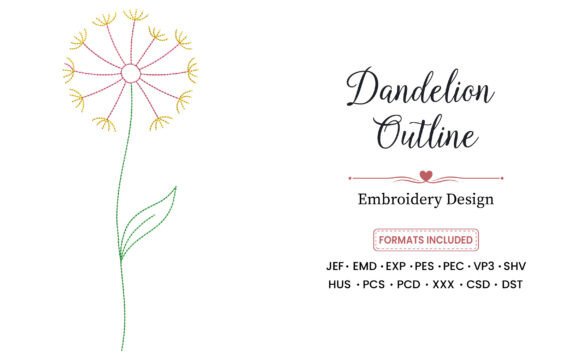
Dandelion Outline Embroidery Design
First Impressions: Light, Delicate, and Versatile Floral Charm
As an embroidery designer prepping for a weekend craft fair, the Dandelion Outline Embroidery Design immediately caught my eye with its soft, natural aesthetic. It’s the kind of design that feels both elegant and minimal—perfect for handmade products that lean into farmhouse, rustic, or botanical themes. The outline style gives it a clean, modern edge while maintaining a whimsical touch, making it appealing to a broad audience.
How It Performs Across Craft Fair Products
When planning a booth display, variety is key. I tested the Dandelion Outline Embroidery Design across several product types to see where it shines:
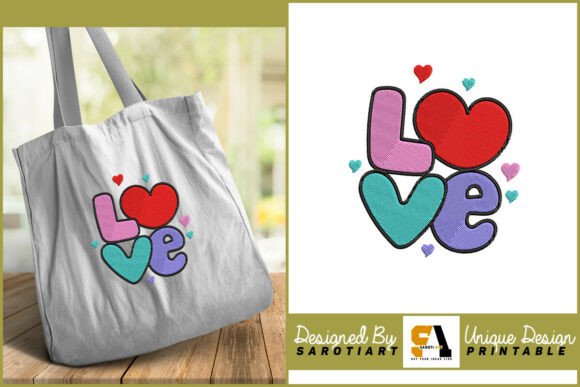
- Tote bags: Works beautifully as a side accent or centered on the front panel. The outline style doesn’t overwhelm the fabric, making it ideal for neutral or solid-colored bags.
- Aprons: Adds a subtle decorative touch when placed on the chest or pocket. It reads well from a distance without competing with the apron’s utility.
- Tea towels: Perfect for a kitchen collection. The light design complements linen or cotton towels without feeling too busy.
- Embroidered patches: This design scales well to patch size, especially when used as a botanical motif on denim jackets or tote bags.
- Caps: On curved surfaces, the outline format helps maintain clarity better than filled-in designs. Just be mindful of hoop placement and fabric tension.
- Fabric pouches: Adds a soft focal point on small items like zipper pouches or cosmetic bags, especially when paired with coordinating thread colors.
- Pillow covers: Looks elegant as a single embroidered dandelion on each corner or centered on the front for a minimalist vibe.
Practical Selling & Production Points
For craft fair sellers and Etsy sellers, the Dandelion Outline Embroidery Design has strong selling potential due to its versatility and clean visual. Here’s what to consider before production:
- At-a-glance appeal: The design is instantly recognizable. Customers will appreciate its simplicity and the natural theme it conveys.
- Scalability: Works as both a small accent and a larger focal point depending on the product. Just be cautious about reducing it too much—fine lines can get lost on textured fabrics.
- Photography for listings: The outline format photographs cleanly, especially against light backgrounds. Use good lighting to highlight the stitch detail and ensure your printable mockups reflect the true thread contrast.
- Batch production: Since it’s an outline design, it likely stitches faster than dense or filled designs, making it great for producing multiple items quickly without sacrificing quality.
Careful-Use Notes for Best Results
While this machine embroidery design is elegant, there are a few things to watch for during production:
- Dense stitch areas: Since it’s an outline, density isn’t a major concern, but still inspect for tight corners or overlapping lines that might pucker fabric.
- Small details: Be careful when resizing too small—delicate stems and petals may not hold up well on textured towels or thick cotton.
- Thread contrast: Choose thread colors that stand out clearly against the base fabric. Light thread on dark fabric may not read well unless the design is large enough.
- Curved surfaces: When using on caps or curved items, ensure proper hooping and stabilizer use to prevent distortion.
Visual Appeal and Booth Display Strength
At a craft fair, your booth needs to draw people in with cohesive, eye-catching displays. The Dandelion Outline Embroidery Design contributes to a clean, curated look that feels intentional and handmade. It pairs well with other botanical or nature-inspired designs, helping build a cohesive brand aesthetic for your small shop product line.
Customers will likely pause and appreciate the subtle detail, especially when displayed on items like embroidered tea towels or tote bags that are both functional and decorative. This design elevates the perceived value of your handmade items without feeling too flashy or overdone.
Designer Notes: Production Tips for Success
Before diving into full-scale production, here are a few steps I always take as an embroidery business owner:
- Test on scrap fabric: Always run a test stitch-out to see how the design performs on your intended material.
- Check thread contrast: Use a thread color that complements the fabric without blending in. Sometimes a slightly darker shade makes a big difference.
- Review spacing and alignment: Make sure the design doesn’t crowd the product layout, especially on small items like pouches or patches.
- Confirm hoop size: Ensure your embroidery machine’s hoop can accommodate the design without distortion.
- Inspect stitch density: Even though it’s an outline, verify that the stitch spacing is consistent and not too sparse or tight.
- Use the right stabilizer: For textured or stretchy fabrics, a quality stabilizer is essential to prevent puckering or distortion.
- Create a real mockup: Don’t rely solely on digital previews. A physical sample helps you see how the design reads in person.
- Compare fabric colors: Try the design on multiple fabric shades to see which combinations work best for your brand palette.
- Confirm commercial licensing: If you’re selling finished products, make sure the digital embroidery file allows for commercial use. If not, reach out to the designer for permission.
Final Thoughts: A Solid Choice for Handmade Sellers
The Dandelion Outline Embroidery Design is a smart addition to any craft fair product lineup. Its delicate yet clear style makes it adaptable across a range of handmade items, and its clean visual ensures it photographs well for online listings. Whether you’re an Etsy seller, boutique maker, or weekend craft fair vendor, this design brings a soft, elegant touch that customers will appreciate.
As a designer, I’d definitely include this in a spring or summer collection—especially for products like embroidered tea towels, tote bags, and pillow covers. Just remember to test thoroughly, consider your fabric choices, and ensure you have the proper licensing before listing finished items for sale.