Colorful Heart Patch Embroidery: A Designer Review
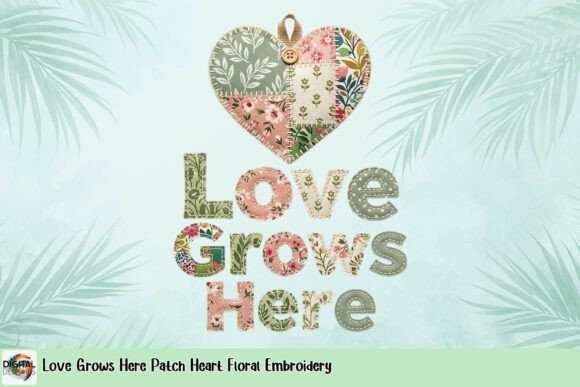
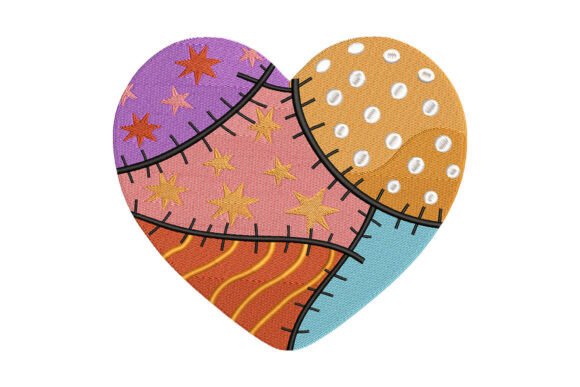
When evaluating a new machine embroidery design for commercial or personal use, I look beyond the digital preview. As a designer who regularly creates custom apparel and handmade products for clients, I need to know how a file behaves under the needle. The Colorful Heart Patch Embroidery design immediately caught my attention as a versatile candidate for Valentine’s Day collections and year-round whimsical goods. Rather than a traditional solid heart, this design utilizes a patchwork aesthetic composed of playful stitched segments, including stars, dots, waves, and textured patterns. The bold black stitch outlines provide necessary definition, but the true test lies in its practical application on real fabrics.
First Impressions and Visual Personality
My initial assessment of this embroidery file focuses on its visual weight and mood. Unlike dense satin stitch hearts that can feel stiff or overly formal, this design reads as approachable and tactile. The patchwork layout suggests a quilt-like quality, which naturally evokes feelings of comfort and nostalgia. For an Etsy seller or boutique owner, this personality is crucial. It bridges the gap between holiday-specific merchandise and everyday wearable art. The mix of fill stitch textures prevents the design from looking flat, while the bold outlines ensure the shape remains crisp even from a distance. This balance makes it particularly suitable for items meant to be seen and touched, such as tote bags or nursery decor.
Real-World Application: Stitching a Custom Sweatshirt
To truly judge the viability of Colorful Heart Patch Embroidery, I mentally walked through a recent client project involving custom sweatshirts for a small shop product launch. Sweatshirt fleece presents specific challenges due to its pile and stretch. In this scenario, the design’s segmented nature is actually an advantage. Large, continuous blocks of dense stitching can cause fabric distortion or tunneling on knit garments. However, because this heart is broken into smaller patterned sections with running stitch details and varied fill areas, it allows the fabric to retain more of its natural drape.
I envision placing this design on the left chest of a cream-colored crewneck. The colorful segments would pop against the neutral background, while the black outlines would anchor the design visually. For a personalized gift, this style feels less generic than standard clip art. It signals to the buyer that the item was curated with attention to detail. When creating printable mockups for digital product listings, the texture variation in this design translates beautifully, helping customers visualize the finished product before they purchase.
Fabric Compatibility and Stabilizer Strategy
While this machine embroidery design is versatile, it requires thoughtful preparation depending on your substrate. The interplay of different stitch types means tension management is key.
- Cotton and Canvas: For a tote bag design or kitchen towel, these stable fabrics are ideal. The bold outlines will register sharply, and the textured fills will sit nicely on the surface without sinking. A medium-weight cutaway stabilizer is usually sufficient here.
- Knits and Fleece: When working on baby embroidery or apparel, you must account for stretch. Use a fusible no-show mesh stabilizer to prevent the patchwork segments from pulling the fabric out of alignment. The bold black outlines act as a registration guide, but if your hooping is loose, those lines could become wavy.
- Textured Fabrics: On linen or terry cloth, the intricate details like stars and dots risk getting lost. Consider using a water-soluble topping to keep the stitches above the fabric nap. Without this step, the charm of the patchwork effect may disappear into the weave.
Navigating Hoop Sizes and Design Density
Before loading this digital embroidery file, verify the specific dimensions and stitch count. Patchwork styles can sometimes be deceptively dense due to the variety of fill patterns used within each segment. If you are working with small hoop sizes, check whether the design scales down effectively. Reducing a design with tiny decorative elements can lead to thread breaks or muddy details. Conversely, enlarging it too much might expose gaps between the patchwork sections if the digitizer did not account for expansion.
For craft business owners producing patches, this design is a strong contender. The bold black outline essentially acts as a built-in border, making it easier to cut out cleanly after stitching. Just ensure you use a heavy-duty stabilizer or adhesive backing to maintain rigidity during the embroidery process. Always test stitch density on scrap fabric first; what looks perfect on screen may require adjustment when translated to physical thread.
Commercial Viability and Customer Appeal
From a business perspective, Colorful Heart Patch Embroidery offers excellent value for makers selling finished products. The design avoids being overly saccharine, which expands its marketability beyond February 14th. It works equally well for Mother’s Day, teacher appreciation gifts, or simply as a cheerful accent on summer accessories. This longevity is vital for maximizing return on investment for your design assets.
The "handmade" aesthetic of the patchwork segments also supports higher price points. Customers associate visible texture and mixed patterns with artisanal quality rather than mass production. When photographing your work for social media or shop listings, the contrast between the colorful fills and the black outline creates natural focal points that perform well in thumbnails. For those selling commercial embroidery services, this design is safe for most age groups, avoiding licensing issues often associated with character-based art.
Practical Designer Notes for Success
Based on my experience reviewing similar files, here are critical steps to ensure professional results with this specific design:
- Contrast Check: The bold black outlines are a defining feature. Test this on dark fabrics first. If the base fabric is black or navy, the outline may vanish, causing the heart shape to lose definition. You may need to edit the file to change the outline color for dark garments.
- Thread Color Planning: Because the design features multiple segments, plan your thread colors intentionally. Random color placement can look chaotic. Create a cohesive palette that matches your brand or the recipient's preferences before starting the embroidery project.
- Licensing Verification: Before listing any item made with this file on Etsy or at a craft fair, confirm the license terms. Ensure you have the right to sell physical items versus digital files. Protecting your business starts with respecting intellectual property.
- Mockup Testing: Use black and white mockups to evaluate value contrast. If the design looks flat in grayscale, adjust your thread selections to ensure the patchwork segments remain distinct in photos.
Final Thoughts on Production Value
Colorful Heart Patch Embroidery represents a thoughtful intersection of playfulness and technical structure. It avoids the common pitfalls of overly simple holiday designs by offering enough textural interest to engage experienced embroiderers and discerning customers alike. Whether you are embellishing a baby blanket, branding a boutique tote, or creating a unique Valentine’s gift, success depends on respecting the relationship between the stitch type and the fabric choice.
By treating this design as a component of a larger creative process—rather than just a file to be stitched out blindly—you elevate the perceived value of your work. Remember to inspect small details, confirm hoop compatibility, and always run a test stitch. These extra minutes of preparation distinguish a hobbyist output from a professional handmade product. When executed correctly, this patchwork heart delivers a charming, durable, and commercially viable result that resonates with buyers looking for genuine craftsmanship.